
The Real Cost of a Camping Trip: How to Plan Your Budget
Camping is sold as the cheap vacation. Often it is—but only if you plan the budget on purpose. The people who end up shocked at the checkout are the ones who priced only "a tent and gas" and ignored reservation fees, firewood, park passes, and the slow creep of convenience-store burritos at mile 400. A three-night trip can cost $150 or $1,500 depending on a handful of choices. This guide breaks every line item into real, estimate-grade numbers and hands you a template to fill in before you leave.
All figures below are realistic U.S. ranges (verified October 2026) for a typical car or tent camper, scaled for a family of four or two friends. Treat them as planning estimates, not quotes—pump prices and campground rates move. For live math, plug your trip into our Trip Budget Calculator.
The core cost categories
Every camping trip breaks into five buckets: where you sleep, how you get there, what you eat, the permits and passes, and the gear you either own or rent. Most first-timers budget two of them and wing the other three. Here is what each one really costs.
1. Where you sleep: campground vs free land
This is the biggest lever in your whole budget. Developed campgrounds with a picnic table, fire ring and (sometimes) showers run $25–$45 per night at state and national forests; popular national-park campgrounds can hit $30–$55, and RV sites with full hookups run $50–$80+. Add the $10 booking fee that recreation.gov and many state systems tack on per reservation.
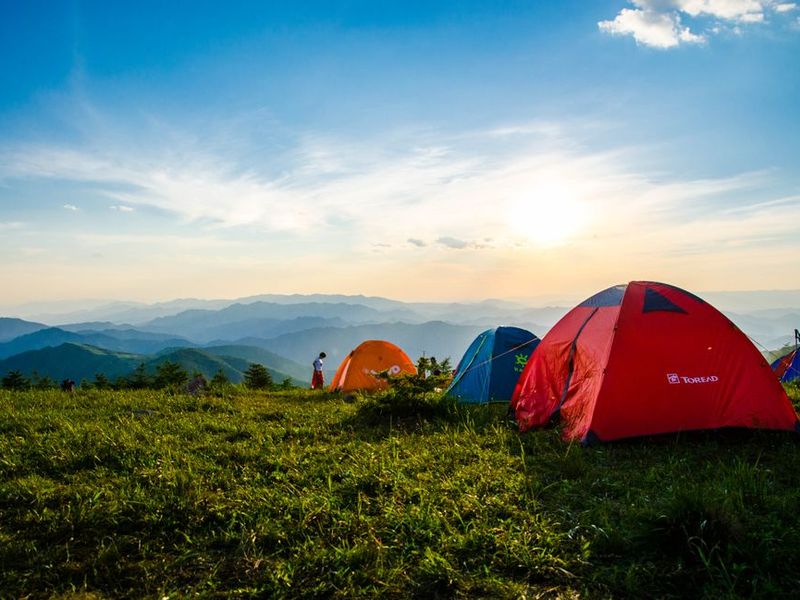
By contrast, dispersed camping on BLM or National Forest land is $0. A seven-night road trip that uses free public land can save you $250–$400 in site fees alone. Our guide to free camping in California, Utah and Arizona and the free overnight finder show exactly where. The trade-off: no showers, no hookups, no reserved spot.
2. Getting there: fuel and wear
Fuel is the second-largest line item, and the one people underestimate by guessing. Estimate it honestly: (total miles ÷ your MPG) × price per gallon. A 1,000-mile round trip in a 22 MPG SUV at $4.00/gal is about $180. Pull a 3,500 lb travel trailer and that same mileage might drop to 14 MPG—jumping the fuel bill near $290.
Do not forget the smaller transport costs: occasional tolls, an oil change timed to the trip, and the wear-and-tear buffer savvy road-trippers set aside (~$0.20–$0.30 per mile for tires, maintenance and depreciation).
3. Food: cook your own vs eat out
Camp cooking is where the budget bends the most. Buy groceries and cook at the site and food runs $15–$30 per person per day for a family or pair. Eat every dinner at a diner on the road and it becomes $40–$70 per person per day. For a family of four over five days, that gap is easily $300–$600.
The hidden version of this line is the convenience tax: gas station snacks, coffee, and the forgotten ice run. Budget a $15–$25/day "incidentals" allowance and it stops being a surprise.
4. Permits, passes and fees
This is the quiet killer of cheap trips. National park entry is $25–$35 per vehicle for 7 days; if you visit three or more parks in a year, the $80 America the Beautiful annual pass pays for itself—run the numbers in our pass calculator. Permit lotteries like The Wave charge a $6 non-refundable application fee even when you lose, plus a $9 per-person permit fee when you win (see the Wave lottery guide). Add firewood at $8–$12 a bundle and you have the real fee stack.
5. Gear: own, rent or borrow
A first-timer starting from zero faces a one-time gear pile that dwarfs the trip itself: a decent tent ($150–$300), sleeping bags ($80–$200 each), pads ($40–$120), a stove ($30–$80), cookware and lights. If you only camp once a year, renting a tent and sleeping bags from an outfitter ($25–$60 total per trip) or borrowing from friends beats buying. Our first-timer packing list walks through exactly what is worth buying vs borrowing.
Sample budget: three nights, two styles
| Line item (3 nights, 4 people) | Budget / boondock | Comfort / developed |
|---|---|---|
| Campground / site fees | $0 (free BLM/NF) | $120–$150 |
| Booking / reservation fee | $0 | $10 |
| Fuel (300 mi round trip) | $55 | $55 |
| Food & drink | $120 (cook own) | $220 (mix of eating out) |
| Park pass / entry | $0–$35 | $35 |
| Firewood & incidentals | $25 | $35 |
| Gear rental (if needed) | $0 (borrowed) | $60 |
| Estimated total | ~$200–$235 | ~$535–$565 |
Figures are planning estimates (Oct 2026), not quotes. Your mileage, MPG and local rates will shift them.
Hidden costs people forget
- Booking and change fees that arrive on top of the nightly rate.
- Reserved vs first-come: popular sites sell out, forcing you into pricier private campgrounds.
- Showers and dump stations: $5–$15 each when you boondock for days.
- Bear canisters, permits and parking fees at trailheads—often separate from your campsite fee.
- Emergency buffer: a flat tire or a last-minute motel night when the weather turns. Carry 10–15% of the total as a "what if" fund.
Seven ways to cut the bill without roughing it
- Boondock one or two nights. Mix a paid, shower-equipped night with a free public-land night; you save money and still feel clean.
- Buy the annual pass early. If three park visits are on your year, the $80 pass beats pay-per-entry.
- Shop outlet grocery stores near the trailhead town, not the campground general store, where basics cost double.
- Camp mid-week. Weekend rates at private parks are often 20–30% higher than Sunday–Thursday.
- Borrow or rent the big stuff first. Commit to buying gear only after you know you love camping.
- Pack water and a camp stove. Skipping the fire-wood run and the café coffee adds up fast.
- Reserve the exact moment books open for popular spots; scrambling for a backup site is what costs the most.
Your blank budget template
Copy this list and fill it in before you book. Totaling it forces the real number to the surface:
- Nights × site fee = $________
- Booking / reservation fees = $________
- (Round-trip miles ÷ MPG) × $/gal = $________
- People × days × $/day food = $________
- Park passes & permits = $________
- Firewood, ice, showers, dump = $________
- Gear rental / one-time buys = $________
- 15% emergency buffer = $________
- TOTAL = $________
Key takeaways
- Sleeping choice is your biggest lever: free dispersed land vs a $40/night developed site swings a trip by hundreds.
- Fuel and food are the two line items first-timers underestimate most; estimate fuel from real miles ÷ MPG.
- Never forget booking fees, park passes, permits and a 15% "what if" buffer.
- Three nights can cost ~$225 boondocking or ~$550 with comfort—the same fun, half the cost, if you plan it.
Frequently asked questions
Is camping actually cheaper than a hotel?
How much should I budget per night?
What is the single biggest hidden cost?
Sources: U.S. National Park Service entrance fee schedule; Recreation.gov reservation fee policy; BLM and National Forest fee pages; regional fuel-price averages. Figures are planning estimates verified October 2026 and will vary by location, vehicle and season—confirm current rates before booking.
露营被宣传成便宜的度假方式。它通常确实如此——但前提是你有意识地做预算。最后在结账时傻眼的人,往往只算了"一顶帐篷加一箱油",却忽略了预约费、柴火、年卡,以及开到 400 英里后便利店卷饼的缓慢累积。三晚的行程可能花 150 美元,也可能花 1500 美元,差别就在几个选择上。本文把每一项拆成真实、可作规划参考的数字,并在出发前给你一份可填写的模板。
以下数字是典型美国汽车/帐篷露营的合理区间(2026 年 10 月核实),按一家四口或两位好友的规模折算。请当作规划估算,而非报价——油价与营地费率都会波动。要做实时计算,把行程填进我们的露营预算器。
五大成本类别
每趟露营旅行都拆成五个桶:睡哪里、怎么去、吃什么、许可与门票,以及你自有或租用的装备。大多数新手只预算了其中两个,剩下三个靠临场拍脑袋。下面看看每一项到底要花多少。
1. 睡哪里:收费营地 vs 免费土地
这是整个预算里最大的杠杆。带野餐桌、篝火圈(有时还有淋浴)的开发式营地,州立与国有林营地约 每晚 25–45 美元;热门国家公园营地可达 30–55 美元,带全 hookup 的房车营位则要 50–80 美元以上。再加上 recreation.gov 与许多州系统每笔预约加收的 10 美元预订费。
相比之下,BLM 或国有林土地上的分散露营是 0 美元。一趟七天的公路旅行,用免费公共土地就能省下 250–400 美元的营位费。具体点位见我们的加州/犹他/亚利桑那免费营地指南与免费过夜点查询。代价是:没有淋浴、没有水电接桩、也没有预留车位。
2. 怎么去:油费与车辆损耗
油费是第二大项,也是大家最容易凭感觉低估的。老实算:(总里程 ÷ 你的油耗 MPG)× 每加仑油价。开一辆 22 MPG 的 SUV 往返 1000 英里、按 4.00 美元/加仑算,约 180 美元。拖一辆 3500 磅的拖挂房车,同样里程油耗可能降到 14 MPG——油费就跳到约 290 美元。
别忘小额交通成本:偶尔的过路费、赶在行程前后做的一次保养,以及精明旅行者预留的车辆损耗缓冲(轮胎、保养与折旧约合每英里 0.20–0.30 美元)。
3. 吃什么:自己做 vs 下馆子
餐饮是预算弹性最大的一项。自己采买、在营地做饭,一家或两人的餐费约 每人每天 15–30 美元。顿顿在路边小馆解决,则变成 每人每天 40–70 美元。四口之家五天下来,这个差距轻松达到 300–600 美元。
这项里隐藏的版本是"便利税":加油站零食、咖啡,以及忘了买冰又得跑一趟。每天预算 15–25 美元的杂费额度,它就不再是意外。
4. 许可、年卡与费用
这是廉价旅行里安静的杀手。国家公园门票按车 7 天 25–35 美元;如果你一年去三个或更多公园,80 美元的"美国美丽"年卡就能回本——用我们的年卡盈亏器算一下。像 The Wave 这样的抽签,即使没中也要收 6 美元不退的申请费,中了再按 每人 9 美元收许可费(见The Wave 抽签攻略)。再加上 每捆 8–12 美元的柴火,才是完整的费用堆叠。
5. 装备:买、租还是借
从零开始的新手,一次性装备开销会远超行程本身:像样的帐篷(150–300 美元)、睡袋(每个 80–200 美元)、防潮垫(40–120 美元)、炉具(30–80 美元)、厨具与灯。如果你一年只露营一次,向户外店租帐篷与睡袋(每趟合计 25–60 美元)或向朋友借,都比买划算。新手打包清单会讲清哪些值得买、哪些该借。
样例预算:三晚,两种风格
| 项目(三晚、4 人) | 省钱/荒住 | 舒适/开发营地 |
|---|---|---|
| 营地/车位费 | $0(免费 BLM/国有林) | $120–$150 |
| 预约/预订费 | $0 | $10 |
| 油费(往返 300 英里) | $55 | $55 |
| 餐饮 | $120(自己做) | $220(混合外食) |
| 公园年卡/门票 | $0–$35 | $35 |
| 柴火与杂费 | $25 | $35 |
| 装备租用(如需) | $0(借来的) | $60 |
| 估算合计 | 约 $200–$235 | 约 $535–$565 |
数字为规划估算(2026 年 10 月),非报价。你的里程、油耗与当地费率会让它们浮动。
容易被忘记的隐藏成本
- 预订与改期费,叠加在每晚房费之上。
- 预留 vs 先到先得:热门点位售罄,逼你住进更贵的私营营地。
- 淋浴与排污站:连续荒住几天,每次 5–15 美元。
- 步道口的熊罐、许可与停车费——常和营位费分开收。
- 应急缓冲:爆胎或天气突变时临时住一晚 motel。把总额的 10–15% 留作"万一"基金。
七个不降低体验也能省钱的办法
- 荒住一两晚。把一晚带淋浴的付费夜和一晚免费公共土地搭配起来;既省钱又保持清爽。
- 早买年卡。一年要去三个公园,80 美元年卡比按次门票划算。
- 在步道口小镇的超市采购,别在营地杂货铺买——那里基础物资贵一倍。
- 周中露营。私营公园周末价比周日到周四常高 20–30%。
- 大件先借或租。确认自己真的热爱露营之后再买装备。
- 自带水和炉具。省下买柴火和咖啡馆咖啡的钱,累积很快。
- 热门点位在放位那一刻就预订;临时找备用营地才是最贵的。
你的空白预算模板
预订前抄下这份清单填上数字。把它加总,真实金额就会浮现:
- 晚数 × 每晚费用 = $________
- 预约/预订费 = $________
- (往返英里 ÷ MPG)× 每加仑油价 = $________
- 人数 × 天数 × 每天餐费 = $________
- 公园年卡与许可 = $________
- 柴火、冰、淋浴、排污 = $________
- 装备租用/一次性购置 = $________
- 15% 应急缓冲 = $________
- 合计 = $________
要点速记
- 睡哪里是最大杠杆:免费分散营地 vs 每晚 40 美元的开发营地,一趟能差出几百美元。
- 油费与餐费是新手最容易低估的两项;油费要用真实里程 ÷ 油耗来估。
- 永远别漏了预订费、公园年卡、许可和 15% 的"万一"缓冲。
- 三晚可以约 225 美元荒住,也可以约 550 美元舒适住——乐趣相同,规划得当省一半。
常见问题
露营真的比住酒店便宜吗?
每晚该预算多少?
最大的隐藏成本是什么?
资料来源:美国国家公园管理局门票费率表;Recreation.gov 预约费用政策;BLM 与国家森林公园费用页;地区平均油价。数字为规划估算,核实于 2026 年 10 月,会因地点、车辆与季节而异——预订前请确认当前费率。
Free Camping: CA · UT · AZ西部三州免费营地
Read →阅读 →
First-Time Packing List首次露营打包清单
Read →阅读 →
50+ Free Overnight Spots50+ 免费过夜点
Read →阅读 →Run your trip numbers in seconds几秒钟算清你的行程账
Permits, fuel, food and gear depreciation — itemized, copyable totals.许可、油费、食材与装备折旧——分项清晰、可复制结果。
Open the budget calculator打开预算计算器