
Winter Camping & Winter Permits: What You Need

Winter is when the crowds vanish, the national parks turn into quiet white cathedrals, and campsites you once waited months to book sit empty. It is also the season where one missed detail—a frozen water line, a closed road, a missing permit—turns a magical trip into an expensive rescue. Winter camping rewards preparation, and punishes assumptions. This guide covers which parks, roads and campgrounds actually stay open, how winter permits differ, the gear and safety that keep you alive, and how to keep a van or RV from freezing solid.
Before you go, check live road and closure status—winter dates shift with snowfall, not the calendar. Our Season Window Checker and fire restrictions tool are the right companions, and the free camping guide shows which high-elevation spots to avoid once snow falls.
What actually closes in winter
The first rule of winter camping is: assume the road you took in July is gone. High passes and entire park districts close once snow arrives, and the closure dates are driven by snow depth, not a fixed calendar.
- Yosemite's Tioga Road (Highway 120) and the entire Tuolumne Meadows area typically close from around November through May; only the Yosemite Valley floor stays plowed.
- Grand Canyon North Rim closes for the season; the South Rim remains open year-round, with the inner canyon accessible but bitterly cold.
- Rocky Mountain National Park's Trail Ridge Road closes in winter, leaving only the eastern and western entrances open.
- Many developed campgrounds shut their water and close showers, even where the campground itself stays“open” for winter—you are dry-camping whether you planned to or not.
Always confirm on the park's official page or recorded road line the morning you leave. A plowed road can still be impassable without chains.
What stays open (and why it matters)
The good news: the most iconic destinations often remain accessible. Grand Canyon South Rim, Bryce Canyon's rim road, Zion's Canyon Overlook, the Valley of Fire near Las Vegas, and many state-park campgrounds operate in winter—usually at half the summer price and with first-come sites you could never get in July. Low-elevation and southern parks (Joshua Tree, Moab, Death Valley's cooler months) become genuinely pleasant in winter, not punishing.
How winter permits are different
Winter is not just summer camping with a jacket—the permit system changes with it.
Permits that vanish, and winter-only ones that appear
Many summer permit lotteries simply pause: The Wave's online draws and Angels Landing seasonal permits shut down with the busy season and reopen in spring. But winter opens its own, often easier permits. A classic example is Mount Whitney: while the summer summit lottery is brutally competitive, winter ascents (roughly mid-November through mid-April) are governed by a different, far less crowded permit system that requires demonstrated mountaineering and avalanche experience rather than a lucky draw. Caves and frozen waterfalls—places like Lehman Caves or ice-climbing zones—run their own winter permits and ranger-led tours.
Backcountry permits in snow
Even in parks where backcountry permits are free or self-issued, winter adds requirements: a bear canister may be waived, but a snow-study plan, avalanche beacon, and emergency bivvy become expected. Some parks require you to check in at a reduced winter ranger station rather than a visitor center that has closed.
Cold-weather gear: the non-negotiables
Summer gear will not save you at 20°F (−7°C). Layer up with:
- A four-season tent (or a three-season tent well staked) capable of shedding heavy snow and wind; a snow load can flatten a flimsy shelter overnight.
- A sleeping bag rated well below the forecast low—aim for 0°F (−18°C) comfort if you are car-camping at night near freezing, and add an insulating sleeping pad (R-value matters most in winter).
- A zero-degree-rated bag liner as a cheap warmth upgrade, plus a warm hat and gloves you can sleep in.
- Waterproof layers and an insulated jacket; cotton is lethal when wet.
- An insulated water bottle or two—water freezes solid overnight unless kept against your body or swapped out at dawn and dusk.
Snow, temperature and avalanche safety
Winter camping on flat, low-angle ground is routine; stepping into the backcountry on snow is a different risk class. Know three things before you leave the plowed road:
- The avalanche forecast. If you are camping or traveling on slopes steeper than about 30 degrees, check the local avalanche center forecast. Carry a beacon, probe and shovel—and know how to use them. A pretty snowy meadow can sit below a slide path.
- Hypothermia and exposure. Even a 40°F day can become a hypothermia event if you get wet and the wind picks up. Travel with layers, fire-starting ability (note: many areas impose winter fire restrictions—carry a stove instead), and a charged phone in a warm pocket.
- Daylight. Winter days are short. Pitch camp well before dark; finding a flat snowy spot with a headlamp is miserable.
Winterizing a van or RV
Camping in a van in cold weather is absolutely doable, but water is your enemy. Follow the basics:
- Drain the water system if temperatures will drop below freezing overnight; a split water line is the classic winter RV failure.
- Insulate the walls and windows; cover windows at night to cut condensation (see our van sleep system build guide).
- Vent, vent, vent—moist breath condenses on cold glass; crack a vent and run a small fan.
- Use a safe heater only. A propane or diesel heater professionally vented to the outside is fine; unvented combustion inside an enclosed van risks carbon monoxide and is not worth the warmth.
- Protect the batteries. Cold drains battery capacity fast; keep your house batteries insulated and charged.
Services, cancellations and the winter reality check
Winter trips live or die on logistics. Gas stations close, dump stations are shut off, and restaurants inside parks run reduced hours. Expect to self-contain: carry extra water, extra food, a full fuel tank and cash. Campground reservations in winter are forgiving—many sites convert to first-come-first-served as services shrink, and strict cancellation rules on paid sites usually still apply, so read the fine print before you book. If a storm is forecast, have the sense to bail; a motel night beats a stuck-in-the-snow story.
Key takeaways
- High roads (Tioga, Trail Ridge) and the Grand Canyon North Rim close in winter; low-elevation and southern parks stay open and are quiet and cheap.
- Summer lotteries pause; winter-only permits like the Mt Whitney winter ascent system open up—but expect snow-safety requirements instead of a lucky draw.
- Gear matters most in winter: a bag rated far below the low, an insulated pad, a sturdier tent, and unfreezable water.
- Check the avalanche forecast on any sloped snow travel, vent your van, and drain water lines before a hard freeze.
Frequently asked questions
Is it safe to camp in freezing temperatures as a beginner?
Do national park campgrounds have water in winter?
Are winter permits easier to get than summer ones?
Sources: U.S. National Park Service winter operations pages (Yosemite, Grand Canyon, Rocky Mountain, Zion); Inyo National Forest Mount Whitney winter permit info; regional avalanche centers. Closure and permit windows are driven by snowfall and are estimates verified October 2026—always confirm live road and status on official park sites before departure.
冬天是人流散去、国家公园变成静谧白色殿堂的季节,那些夏天要提前几个月抢的营地,此刻空空荡荡。它也是这样一个季节:一个被忽略的细节——冻裂的水管、封闭的道路、没办到的许可——就能把一趟梦幻之旅变成昂贵的救援。冬季露营奖励准备,惩罚想当然。本文讲清哪些公园、道路和营地真的保持开放,冬季许可有何不同,保命的装备与安全要点,以及如何让一辆房车不被冻成冰坨。
出发前请查实时道路与关闭状态——冬季的开放时间由降雪决定,而不是日历。配套工具是我们的开放窗口查询与防火禁令工具;免费营地指南会告诉你哪些高海拔点位一下雪就得避开。
冬天到底什么会关闭
冬季露营第一条规矩:默认你七月走过的那条路已经没了。高海拔山口和整片公园区域一下雪就封闭,封闭日期由雪深决定,不是固定日历日。
- 优胜美地 Tioga 公路(120 号)与整个 Tuolumne Meadows 地区通常从约 11 月关到次年 5 月;只有 Yosemite Valley 谷底保持除雪。
- 大峡谷北缘季节性关闭;南缘全年开放,内峡谷可进入但极其寒冷。
- 落基山国家公园 Trail Ridge Road 冬季封闭,只剩东西两个入口可进。
- 许多开发式营地即便营地本身“开放”,也会停水、关淋浴——不管你计划与否,你都在干营。
出发当天早上,务必在公园官网或录音路况热线确认。一条除过雪的路,没带防滑链依然可能走不动。
什么保持开放(以及为什么重要)
好消息是:最经典的目的地往往依然可达。大峡谷南缘、Bryce 峡谷的观景公路、锡安的 Canyon Overlook、拉斯维加斯旁的火谷州立公园,以及许多州立公园营地都在冬季运营——通常是夏季半价,还有七月根本抢不到的先到先得车位。低海拔与南方公园(约书亚树、Moab、死亡谷的凉季)在冬天从难熬变成舒适。
冬季许可有何不同
冬天不是“多穿件外套的夏天”——许可体系也随之变化。
消失的抽签,与冬季专属的许可
许多夏季许可抽签随旺季暂停:The Wave 的在线抽签与天使降临的季度许可都会随繁忙季关闭、春天重开。但冬天会开出自己的、往往容易得多的许可。典型例子是惠特尼峰(Mount Whitney):夏季登顶抽签竞争惨烈,而冬季攀登(约 11 月中到 4 月中)由另一套、远没那么拥挤的许可制度管理——它要求你具备登山与雪崩经验,而不是靠运气抽签。洞穴与冰封瀑布——如 Lehman Caves 或攀冰区——则有自己的冬季许可与护林员带领导览。
雪中的荒野许可
即便在荒野许可免费或自行登记的公园里,冬天也会加要求:熊罐可能豁免,但雪崩信标、应急露宿装备和一份雪况计划成为应有之义。有些公园要求你改到冬季缩减后的护林站登记,而不是去已经关门的游客中心。
寒冷装备:不能省的东西
夏季装备在 20°F(−7°C)救不了你。按层准备:
- 四季帐(或扎牢的三季帐)能扛大雪与大风;雪荷载一夜之间能压垮不结实的帐篷。
- 温标远低于预报低温的睡袋——如果车内过夜接近冰点,建议 0°F(−18°C)舒适温标;再配一块隔热防潮垫(冬天 R 值最重要)。
- 零度睡袋内胆作为廉价的升温升级,再加能穿着睡觉的保暖帽与手套。
- 防水层与保暖外套;棉织物一湿就致命。
- 一两个保温杯——除非贴身带着或晨昏各换一次水,水一夜就冻成冰坨。
雪、温度与雪崩安全
在平坦、低坡度地面冬季露营是常规操作;但一脚踏进积雪的野外,就进入了另一个风险等级。离开除雪公路前,搞清楚三件事:
- 雪崩预报。如果你在坡度约 30 度以上的雪地上露营或行进,先查当地雪崩中心预报。随身带信标、探杆和雪铲——而且要会用。一片漂亮的雪间草甸,可能正坐在一条滑塌道下方。
- 失温与暴露。哪怕 40°F 的白天,一旦你弄湿又起风,就可能变成失温事件。随身带分层衣物、生火能力(注意:很多地区冬季禁明火——带个炉子代替),以及揣在温暖口袋里、充满电的手机。
- 日照短。冬日很短。趁天亮扎营;头灯下在雪里找一块平地,滋味很难受。
房车过冬防冻
在车里冷天露营完全可行,但水是你的敌人。守好这些基本点:
- 排空水路:如果夜间会冰点以下,冻裂水管是冬季房车最经典的故障。
- 给墙和窗户保温;夜间遮住车窗减少结露(见我们的房车睡眠区搭建指南)。
- 通风、再通风——呼出的潮气会结在冷玻璃上;开一条缝并开小风扇。
- 只使用安全的取暖方式。专业排烟到车外的丙烷或柴油取暖炉没问题;密闭车内无排烟燃烧,一氧化碳风险不值得那点暖意。
- 保护电瓶。严寒会快速吃掉电池容量;把车载电瓶保温并保持满电。
服务、取消与冬季现实核查
冬季行程成败全在后勤。加油站会关门、排污站被关闭、公园里的餐厅缩减营业时间。要做好自给自足:多带水、多带食物、把油加满、备现金。冬季营地预订很宽松——随着服务缩减,很多车位转回先到先得;但收费车位严格的取消政策通常仍然适用,所以预订前看清细则。预报有风暴时要有撤退的理智:住一晚 motel,好过“困在雪里”的故事。
要点速记
- 高海拔公路(Tioga、Trail Ridge)与大峡谷北缘冬季关闭;低海拔与南方公园保持开放,人少又便宜。
- 夏季抽签暂停;惠特尼峰冬季攀登这类冬季专属许可开放——但要的是雪上安全能力,而不是抽签手气。
- 装备在冬天最关键:温标远低于低温的睡袋、隔热垫、更结实的帐篷,以及不结冰的水。
- 在任何有坡度的雪地上行进都查雪崩预报;给房车通风,严寒前排空水路。
常见问题
新手在冰点温度下露营安全吗?
国家公园营地冬天有水吗?
冬季许可是不是比夏天好拿?
资料来源:美国国家公园管理局冬季运营页面(优胜美地、大峡谷、落基山、锡安);Inyo 国家森林惠特尼峰冬季许可信息;各地区雪崩中心。关闭与许可窗口由降雪决定,为 2026 年 10 月核实的估算——出发前请以公园官方网站的实时道路与状态为准。
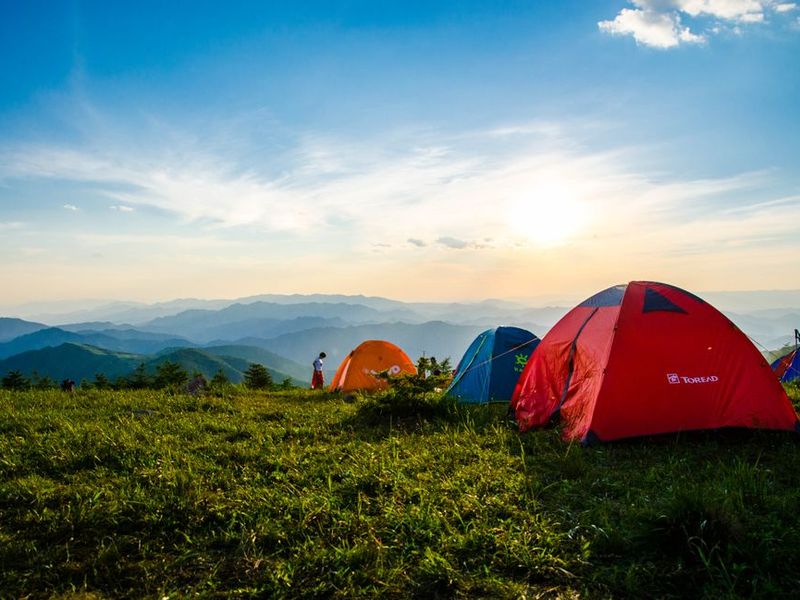
Free Camping: CA · UT · AZ西部三州免费营地
Read →阅读 →
First-Time Packing List首次打包清单
Read →阅读 →
Booking on recreation.govrecreation.gov 抢位技巧
Read →阅读 →Check which parks open in winter查哪些公园冬季开放
Season windows, snow lines and fire status before you head out.出发前查开放窗口、雪线与防火状态。
Open the season checker打开开放窗口查询